
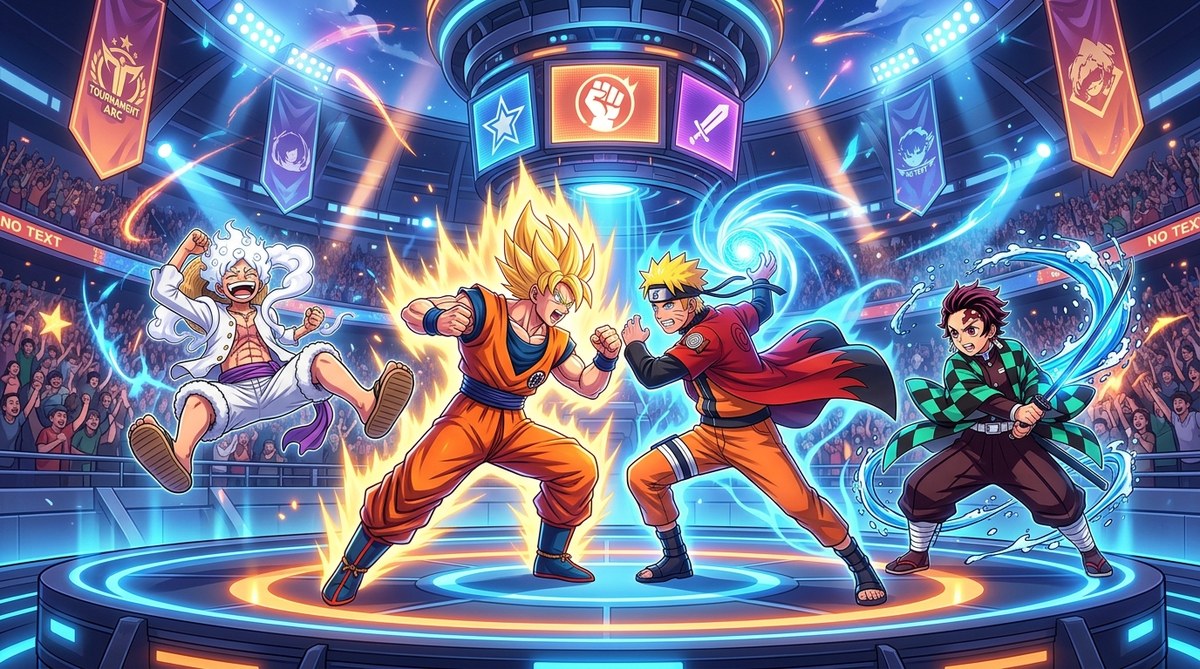
Few moments in anime feel as electric as a tournament arc. The arena comes alive with fast paced battles, clever strategies, and the pressure of proving your worth. At AnimeBB.org we love digging into how these arcs blend character growth, teamwork, and high stakes into one gripping package. Whether you are revisiting old favorites or discovering new ones, this guide dives into the top tournament arcs in anime history and why they continue to resonate with fans around the world.
What makes a great tournament arc
Before we dive into specific arcs, let us unpack what makes a tournament arc stand out. A strong tournament arc typically includes:
- Clear stakes that matter to the characters and the world
- A mix of personal duels and team based strategies
- Clever pacing that keeps the momentum up while allowing character development
- memorable matchups that showcase unique abilities or powers
- Thematic depth that ties the battles to growth, resilience, or camaraderie
- Visual flair and exciting crowd energy that elevate the moment
For fans of My Hero Academia, Haikyu, Dragon Ball, Naruto and beyond, these elements combine to create the most lasting moments. Our site also enjoys analyzing how tournament arcs reflect broader trends like mental health themes, teamwork under pressure, and how characters navigate victory and defeat. Now let us spotlight some standout arcs that have left a lasting mark on anime history.
Top Tournament Arcs Through the Years
Dragon Ball World Martial Arts Tournament (23rd World Tournament)
Arc snapshot
– Set during the later chapters of Dragon Ball, the World Martial Arts Tournament is the quintessential early blueprint for the tournament arc in anime.
– Fighters from around the world converge to test skill, willpower and heart in a format that rewards clever strategy as much as raw power.
What makes it iconic
– The tournament format brings a wide cast together, letting fans see a parade of techniques, improvisation, and rivalries collide.
– The final clash between Goku and Piccolo Jr. is a defining moment for early shonen storytelling, illustrating how a hero grows by facing a skilled rival.
Why it still matters
– It established the idea that a tournament can feel like a world stage, shaping future arcs across generations.
– It demonstrates how suspense can be built through structure, pacing, and escalating stakes rather than constant new threats.
Arc takeaway
– If you want to study perfect tournament rhythm, look at how the early Dragon Ball arcs balance humor, awe, and heart in a single competition.
Naruto Chunin Exams
Arc snapshot
– The Chunin Exams arc covers a progression from written tests to the Forest of Death to a dramatic final tournament style phase with multiple duels and high tension.
What makes it iconic
– Character introductions become unforgettable as new rivals, mentors and allies are revealed.
– The arc blends personal growth with world building, introducing hidden capabilities and moral choices under pressure.
Why it resonates
– It emphasizes teamwork and strategic thinking in addition to solo duels, mirroring real world training and performance arcs.
– The arc sets up long term rivalries and dynamics that carry into later storylines.
Arc takeaway
– The Naruto Chunin Exams demonstrate how a tournament can function as a crucible that forges relationships and reshapes the social order of a ninja world.
Yu Yu Hakusho Dark Tournament
Arc snapshot
– The Dark Tournament features a ruthless competition pitting elite fighters against one another in a brutal, stylized arena setting.
What makes it iconic
– It is known for high octane fights, creative special moves, and a crescendo of emotional and ethical stakes.
– The tournament structure catalyzes growth for multiple characters, revealing hidden depths and new abilities.
Why it matters to fans
– The arc proves that a tournament can explore darker thematic territory such as power, aggression, and the price of victory, while still delivering heart.
– It showcases how pair and team dynamics can be tested under extreme pressure.
Arc takeaway
– A great tournament arc can blend spectacle with character introspection, pushing a cast toward new limits both physically and morally.
Hunter x Hunter Heavens Arena
Arc snapshot
– Gon and Killua enter Heavens Arena, a tower full of one on one bouts that teach Nen and push fighters to rank up through a practical ladder system.
What makes it iconic
– The tower setting provides a clean, escalating structure for fights and learning the rules of Nen.
– It introduces a fresh dimension to the arc by focusing on technique, strategy, and the psychology of winning.
Why it resonates
– This arc highlights the learning process in combat and emphasizes mentors and peers guiding young fighters.
– It shows how training arcs can transition into tournament style tests of skill and adaptation.
Arc takeaway
– Heavens Arena is a master class in turning a simple duel format into a layered, growth oriented journey.
My Hero Academia Sports Festival
Arc snapshot
– A full scale school wide festival featuring a cavalry battle and a series of one on one matches revolving around hero potential and nerve.
What makes it iconic
– The festival format lets multiple characters shine in quick succession, creating a mosaic of hero archetypes.
– It introduces new rivals and deepens the stakes for key relationships, especially within Class 1 A.
Why it matters
– It speaks to the core idea of proving yourself in a community driven field, echoing real world competition fests and exams.
Arc takeaway
– The Sports Festival demonstrates how a tournament can be used to reveal character arcs while delivering non stop action for fans.
Haikyu!! Interhigh and National Championship Arcs
Arc snapshot
– Haikyu!! features a series of high intensity volleyball tournaments including the Interhigh and later national championships where the team faces stronger opponents and grows as a unit.
What makes it iconic
– The sports mechanics are rendered with realism and emotional punch, turning each match into a test of teamwork, trust and drive.
– The arcs balance micro level player growth with macro level team dynamics and rivalry.
Why it matters
– Haikyu!! shows how a team game can be a canvas for leadership, mentorship, and collective resilience.
– It ties into themes of mental health and pressure management by exploring how athletes sustain focus and confidence.
Arc takeaway
– If you want to study how a sports oriented arc builds toward a grand finale, Haikyu!! provides a masterclass in pacing and character chemistry.
Jujutsu Kaisen Culling Game
Arc snapshot
– A lethal tournament style contest where participants are trapped in a game with deadly stakes and complex rules designed to test intellect, courage and improvisation.
What makes it iconic
– It combines high concept world rules with brutal confrontation, blending survival drama with supernatural powers.
– The arc highlights strategy, alliances, and moral choices under pressure.
Why it matters
– It taps into the fear and thrill of a do or die scenario while still centering characters and their relationships.
– The Culling Game resonates with fans who enjoy psychological tension as much as spectacular battles.
Arc takeaway
– For readers and watchers who crave high risk games that push the characters into ethically gray areas, this arc is a standout study in tension and psychology.
World Trigger Rank Wars
Arc snapshot
– A strategic battleground where teams face off in complex tactical formations and flag style objectives to secure victory.
What makes it iconic
– It emphasizes teamwork, squad tactics and information warfare as much as raw power.
– The stakes extend beyond personal glory to national level implications.
Why it matters
– Rank Wars show how light conflict can escalate into a broader strategic chess match, perfect for fans who enjoy thinking through battles as much as watching them.
Arc takeaway
– It underscores that a well planned team strategy can outshine individual power in the right scenario.
Hajime no Ippo All Japan Rookie King Tournament
Arc snapshot
– A boxing tournament focusing on the rise of new talent, with intense bouts that test technique, heart and endurance.
What makes it iconic
– The arc is a clinic in ring psychology, pacing and physical storytelling through knockouts and comebacks.
– It celebrates the growth of a protagonist from underdog to force in the sport.
Why it matters
– It is a quintessential example of a training to triumph arc performed on a live stage, echoing real world sports drama favorites.
– It also explores discipline, mentorship and the sheer grit needed to chase a dream.
Arc takeaway
– For audiences who celebrate character driven sports storytelling, Hajime no Ippo remains a standard of underdog ascension.
Food Wars The Great Heaven Challenging Autumn Election
Arc snapshot
– A culinary competition arc where chefs face off in high stakes tasting battles, pushing creativity and palate to the limit.
What makes it iconic
– The battles are creative and sensory, turning cuisine into a battlefield of taste, technique and storytelling.
– It blends humor with serious culinary craft, giving each win both flavor and meaning.
Why it matters
– It shows how a different kind of tournament can carry the same dramatic weight as a physical fight, proving competition thrives in many forms.
Arc takeaway
– This arc is a reminder that competition can be a form of art, and great rivals can push each other toward new flavors of excellence.
Dragon Ball Super Tournament of Power
Arc snapshot
– A multiverse tournament where teams represent entire universes and face off in battles that determine the fate of their world.
What makes it iconic
– The cosmic scope, varied fighter rosters, and constantly evolving powers create a spectacle of ever rising stakes.
– It also emphasizes team dynamics among a large ensemble, balancing individual moments with collective payoff.
Why it matters
– It expands the idea of a tournament into a grand scale that combines mythic stakes with creative battle design.
– It is a modern homage to classic tournament arcs while exploring contemporary animation and storytelling level.
Arc takeaway
– For fans who crave epic scale and star studded showdowns, the Tournament of Power remains a high watermark for ensemble tournaments.
Why these arcs still speak to fans today
- Character growth through pressure: The best tournament arcs reveal how a character adapts when the spotlight is on them.
- Teamwork under duress: Many arcs hinge on how well a team can coordinate strategies and support one another.
- World building through competition: Tournaments reveal the rules, cultures and power systems of a world in a dynamic way.
- Emotional payoffs: Victories and defeats alike carry weight that echoes into future seasons.
If you are exploring these arcs from a site like AnimeBB.org, you will likely notice recurring themes that align with our broader focus on anime trends. For instance, the way teams manage stress and mental resilience in high stake moments often mirrors real world experiences with performance, anxiety and mentorship. We also keep an eye on how tournament arcs intersect with broader topics such as sportsmanship, personal growth and even the evolving role of virtual idols and fan culture in anime communities.
How to watch and study these arcs like a pro
- Create a watch list that groups arcs by theme: sports focused, strategic warfare, or multi universe spectacles.
- Note the key turning points in each arc: first big victory, a collapse, a mentor moment, and a final display of growth.
- Pay attention to pacing: how long each major fight lasts and how the story uses breaks to deepen character arcs.
- Look for recurring motifs: training sequences, rivalries, teamwork breakthroughs, and moral dilemmas.
- Compare adaptation choices: manga versus anime versions, pacing differences, and how animation elevates the action.
If you want a practical study guide, start by watching one arc from each category and use the questions below to guide your analysis:
– What drives the main character during the tournament and how does their mindset shift by the end?
– Which teammates provide the most support and how do their interactions influence outcomes?
– How does the arc balance spectacle with character development?
– What themes emerge about pressure, success and failure?
A compact watch list for new and veteran fans
- Dragon Ball World Martial Arts Tournament: a foundational classic that every anime fan should see.
- Naruto Chunin Exams: for an in depth look at both personal growth and world building.
- Yu Yu Hakusho Dark Tournament: for intense fights and ethical stakes.
- Hunter x Hunter Heavens Arena: for a strategic take on fighting and growth.
- My Hero Academia Sports Festival: for modern hero training and competition culture.
- Haikyu Interhigh and Nationals: for sports storytelling done right.
- Jujutsu Kaisen Culling Game: for a high stakes psychological tournament flavor.
- World Trigger Rank Wars: for teamwork driven tactical battles.
- Hajime no Ippo All Japan Rookie King Tournament: for classic sports drama.
- Food Wars Autumn Election: for culinary competition as a narrative engine.
- Dragon Ball Super Tournament of Power: for an epic multiverse scale conclusion to a long running concept.
Final thoughts
Tournament arcs are more than battles; they are a stage where characters reveal who they are under pressure, where teams learn to harmonize, and where narratives hint at grand futures beyond the arena. Across Dragon Ball, Naruto, Haikyu, My Hero Academia, Jujutsu Kaisen and beyond, these arcs show that competition can be a catalyst for personal growth, communal trust and awe inspiring storytelling. If you want to dive deeper into how these arcs reflect broader trends in anime such as mental resilience, teamwork and even the evolving culture of fans and communities online, keep following AnimeBB.org for thoughtful reviews, guides and insights.
Whether you are revisiting old favorites or exploring new titles, these top tournament arcs offer a blueprint for what makes a competition story truly memorable. They remind us that in the arena of anime, the thrill of the fight is only part of the appeal. The heart of the arc lies in the struggles, the camaraderie, and the moment when a character finally steps into their own light.
 Sophia Esparza
 Jessica Harris