
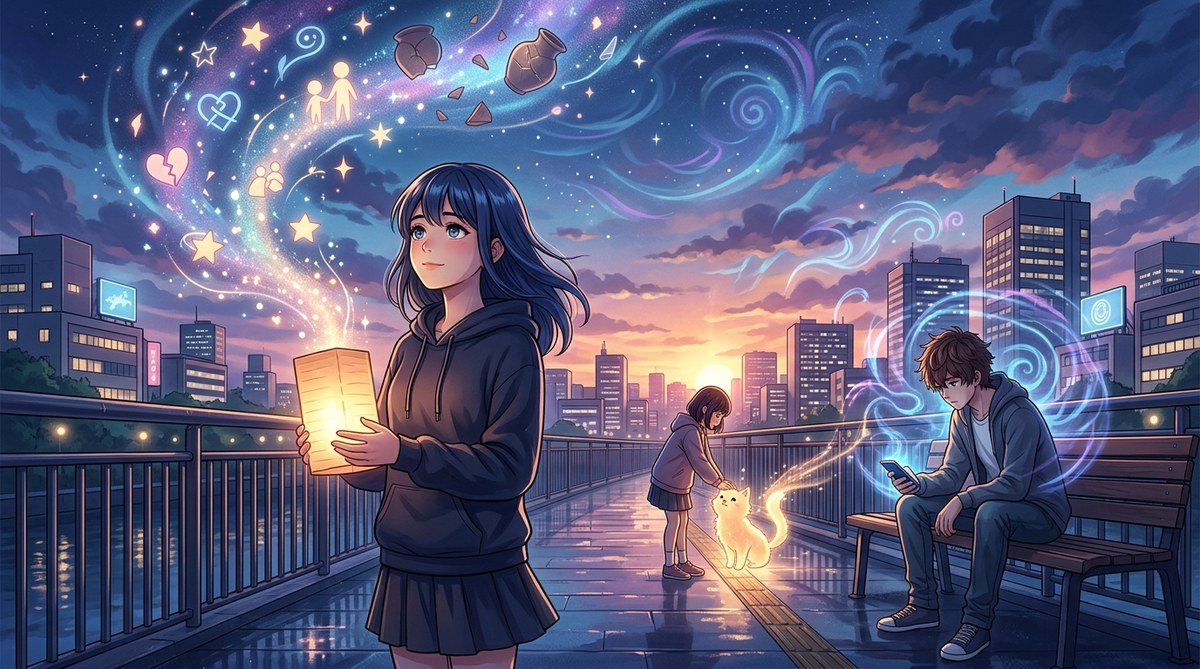
There is a reason fans turn to anime during tough times. Stories told through vivid worlds, fast paced action, and intimate character moments offer a lens into mental health that can feel both intimate and universal. From the hero’s burden in My Hero Academia to the quiet grief in Violet Evergarden, anime often tackles feelings that are hard to express in real life. At AnimeBB.org we explore these themes with the same enthusiasm we bring to in depth reviews and guides. This article dives into how anime explores mental health themes, the recurring motifs across popular series, and what viewers can learn from these representations.
Introduction
Mental health in anime is not just about depicting sadness or anxiety. It is about how stories validate emotional struggle, show pathways toward resilience, and reveal the social contexts that shape a character psyche. Across genres and formats, anime uses visual symbolism, narrative pacing, and character driven arcs to reflect real world concerns like trauma, grief, burnout, identity, and coping mechanisms. In this article we analyze mental health themes through a curated lens built on well loved series and contemporary trends. Expect case studies, actionable insights, and practical viewing tips for fans who want to engage with these topics thoughtfully.
How anime portrays mental health
The language of empathy in animation
- Visual metaphors bridge emotion and understanding. A character’s posture, color palette shifts, or a quiet lingering moment can communicate internal states more powerfully than words.
- Silence can be a powerful tool. Moments where a protagonist does not speak often convey inner turmoil just as clearly as a dramatic monologue.
The arc of recovery versus the arc of survival
- Some stories frame mental health as a path toward recovery with ongoing support from friends, mentors, and therapy like interventions.
- Others focus on survival, illustrating how characters endure hardship while processing it in small, incremental ways.
The tension between stigma and seeking help
- Many anime mirror real life where reaching out for help requires breaking through social expectations or personal denial.
- Narrative devices such as epistolary communication, confidants, or therapy sessions dramatize the act of seeking assistance.
How to approach these themes responsibly
- Watch with context and empathy, recognizing that fictional depictions may simplify complex conditions.
- Use viewing as a bridge for discussion with friends, family, or mental health resources.
Case studies across beloved series
Below we explore how a selection of notable shows and titles approach mental health themes. Each case includes key takeaways for viewers and ideas on what makes these portrayals impactful.
My Hero Academia
My Hero Academia uses a high stakes, action oriented setting to examine pressure, self doubt, and resilience. The series follows Deku and a cast of heroes in training who grapple with expectations, fear of failure, and the moral weight of power.
Key insights:
– Performance pressure and fear of letting others down can drive sleeplessness, distractibility, and burnout. The show gives us examples of characters who learn to pace themselves and set boundaries.
– Found family dynamics play a crucial role. Mentors, teammates, and supportive peers help alleviate isolation and provide practical coping strategies.
– Wounded heroes and survivors show that trauma can persist after a critical event. Recovery is rarely linear and often requires time, reflection, and social support.
Practical viewing notes:
– Pay attention to scenes where heroes explain their fears or frustrations to trusted allies. These moments often reveal the most about their mental health journeys.
– Observe how supportive communities within the hero academy function as a therapeutic network.
One Punch Man
One Punch Man leans into existential questions beneath its humor and over the top battles. Saitama’s near endless competence contrasts with a sense of emptiness and a search for meaning.
Key insights:
– Existential fatigue and purpose seeking are portrayed through a character who can do anything yet struggles to find personal fulfillment.
– The tension between external success and internal satisfaction is a core mental health through line. It reframes perseverance as not only about strength but also about finding value in daily life.
– The show demonstrates how isolation can creep in when others overestimate one’s invulnerability.
Practical viewing notes:
– Consider the long tail of motivation. What keeps a hero moving when applause feels hollow?
– Explore how companions in the story provide the social support that combats loneliness.
Sword Art Online
Sword Art Online centers on trauma and resilience in the face of virtual reality constraints that become real life consequences. The series delves into PTSD like symptoms after traumatic events in virtual worlds.
Key insights:
– Trauma processing, memory, and fear responses are depicted through both action and quiet reflection.
– The blur between virtual and real life demonstrates how safe spaces can become complicated when consequences carry over into waking hours.
– Relationships and moral responsibility offer redemptive paths for characters who carry heavy burdens.
Practical viewing notes:
– Watch for episodes that frame a character returning to ordinary life after a life threatening incident in a game.
– Notice how communication and consent in group settings influence emotional safety in high stakes environments.
Violet Evergarden
Violet Evergarden is widely celebrated for its intimate portrayal of grief and the quest for identity after war. The series follows Violet as she discovers her voice and sense of self through letters and human connection.
Key insights:
– Grief is presented as a long, non linear process that shapes how characters relate to themselves and others.
– Therapy is reframed as a narrative journey—creative and reflective processes help patients reorganize memory and meaning.
– The protagonist models the idea that healing can be iterative and that self worth can be rediscovered through service to others.
Practical viewing notes:
– The anthology structure offers chances to see a range of grief experiences, from loss of family members to the trauma of wartime experiences.
– Pay attention to how small acts of kindness, listening, and writing can act as therapeutic tools.
Violet Evergarden and other epistolary moments
- Letters as therapy: Expressive writing helps characters articulate inner states and reconstruct their sense of identity.
- Language and meaning: Finding the right words to describe feelings is a pivot from silence to understanding.
Devil May Cry
Devil May Cry channels inner conflict through a demon hunter who bears personal tragedy and a complicated relationship with power. The result is a study in coping with loss and living with a hardened exterior that masks vulnerability.
Key insights:
– Trauma not resolved in a single arc: the hero continues to confront past wounds while facing new threats.
– Family bonds and chosen kin stabilizing forces: siblings and friends provide a safety net when confronting emotional storms.
– The line between aggression and control: the show frames how unchecked anger can distort perception of self and others.
Practical viewing notes:
– Notice how defense mechanisms are revealed and gradually questioned by supportive characters.
– Compare moments of humor with heavy topics to see how tone shifts aid understanding.
Haikyu
Haikyu turns the intense world of volleyball into a classroom for emotional growth. Themes of teamwork, pressure, resilience, and the social dynamics of sports teams are explored with warmth and realism.
Key insights:
– Team dynamics as a social support system. The collective goal provides motivation and comfort during tough stretches.
– Coping with failure and fear of letting teammates down. Characters grow by facing fear in the presence of peers who believe in them.
– Burnout and pacing: the show highlights sustainable practice, rest, and mental reset as essential parts of performance.
Practical viewing notes:
– Observe how coaching style and peer feedback influence a character’s confidence.
– Track how individual anxieties are reframed as part of a larger team story.
Virtual idols and the culture of performance
- The rise of virtual idols reflects the weight of performance expectations in modern media consumption.
- Fan communities can provide validation but also create new pressures for appearance and consistency.
- These dynamics offer a contemporary canvas to examine digital mental health, social comparison, and identity shaping.
Tournament arcs and mental stamina
- Tournament arcs test endurance, not just skill. Mental stamina becomes a critical resource.
- The pacing of these arcs mirrors real life situations where repeated challenges accumulate stress.
- Support networks inside and outside competition help characters maintain focus and perspective.
Themes and trends in anime mental health
- Trauma and recovery: Both single event trauma and ongoing stress shape character arcs.
- Grief and identity: Loss can trigger redefinition of purpose and self perception.
- Burnout and performance pressure: The tension between achievement and well being is a recurring motif.
- Social support and belonging: Friends, mentors, teams, and families play essential roles in coping.
- Therapy and self care: While sometimes understated, scenes that imply therapy or reflective practices illuminate healthier coping paths.
- Digital age pressures: Virtual spaces and online identity shape modern mental health narratives.
The role of supporting characters and narrative devices
- Mentors as micro therapists: Teachers, coaches, and elder figures often provide perspective and coping strategies.
- Confidants and friendships: Trust networks reduce isolation and encourage honest discussion about emotion.
- Epistolary storytelling: Letters, diaries, and monologues help articulate internal states that dialogue alone might not reveal.
- Humor as relief: Balanced humor can provide relief while still honoring serious topics.
How to watch mindfully
- Prioritize pacing: If a show feels emotionally heavy, balance with lighter entertainment to avoid overload.
- Journal or discuss: Write about what you felt or talk with friends about how a character handles a moment of distress.
- Recognize when to pause: If a scene triggers strong emotions, take a break and revisit later.
- Seek real world resources if needed: If you relate to themes of depression, anxiety, or trauma, consider talking to a mental health professional or contacting local helplines.
Cultural context and global reception
- Cross cultural storytelling: Different regions may approach mental health with different levels of openness. Viewing with awareness of cultural nuance can deepen understanding.
- Community impact: Online discussions, fan art, and fan fiction often extend the conversation about mental health beyond the screen, creating spaces for shared empathy.
- Accessibility of resources: Subtitles, translations, and commentary can influence how audiences interpret sensitive topics.
Practical viewing guide for AnimeBB readers
- Start with characters you care about: Pick a series with a strong emotional through line that resonates with your own experiences.
- Note the turning points: Identify moments when a character chooses to seek help or reveal vulnerability.
- Track coping strategies: Observe how characters manage stress and what helps them recover.
- Compare different approaches: Look at how different shows portray therapy, companionship, and resilience.
- Use our guides: Check out our in depth reviews and insights for behind the scenes analysis and context.
Recommendations for specific watches
- My Hero Academia: Focus on Deku and Bakugo as a study in fear, pressure, and resilience within a competitive environment.
- Violet Evergarden: A masterclass in processing grief and reconstructing identity after war.
- Sword Art Online: A lens into trauma, memory and the meaning of safety in a high stakes virtual space.
- Haikyu: A heart warming study of team dynamics, perseverance, and mental stamina in sports.
- Devil May Cry: A darker exploration of loss and coping through relationships and personal growth.
Conclusion
Anime has a unique capacity to explore mental health themes in ways that are accessible, emotionally resonant, and deeply human. By combining character driven storytelling with vivid worlds, anime invites viewers to reflect on their own mental health journeys, recognize the value of support networks, and consider healthier coping strategies. Whether you are a long time fan of My Hero Academia or a newcomer to Violet Evergarden, there is something in these stories that speaks to the universal experience of caring for the mind as much as the body.
If you are looking for more thoughtful analysis like this, stay tuned to AnimeBB.org in the Anime Insights category. We will continue to dissect how trends such as virtual idols, tournament arcs, and the portrayal of mental health shape viewer understanding. Remember, watching anime is not just about entertainment; it can be a doorway to empathy, self awareness, and, sometimes, healing.
Appendix: quick reference glossary for mental health themes in anime
– Trauma: psychological and emotional response to a distressing event that persists over time.
– Grief: the emotional response to loss that evolves through stages and coping strategies.
– Burnout: emotional, physical, and mental exhaustion caused by prolonged stress.
– Identity: sense of self as shaped by personal history, relationships, and cultural context.
– Coping strategies: practical actions or thinking patterns that help manage stress.
If you found this guide helpful, consider sharing it with fellow fans and using the insights to approach future episodes with mindful curiosity.
 Sophia Esparza
 Jessica Harris