
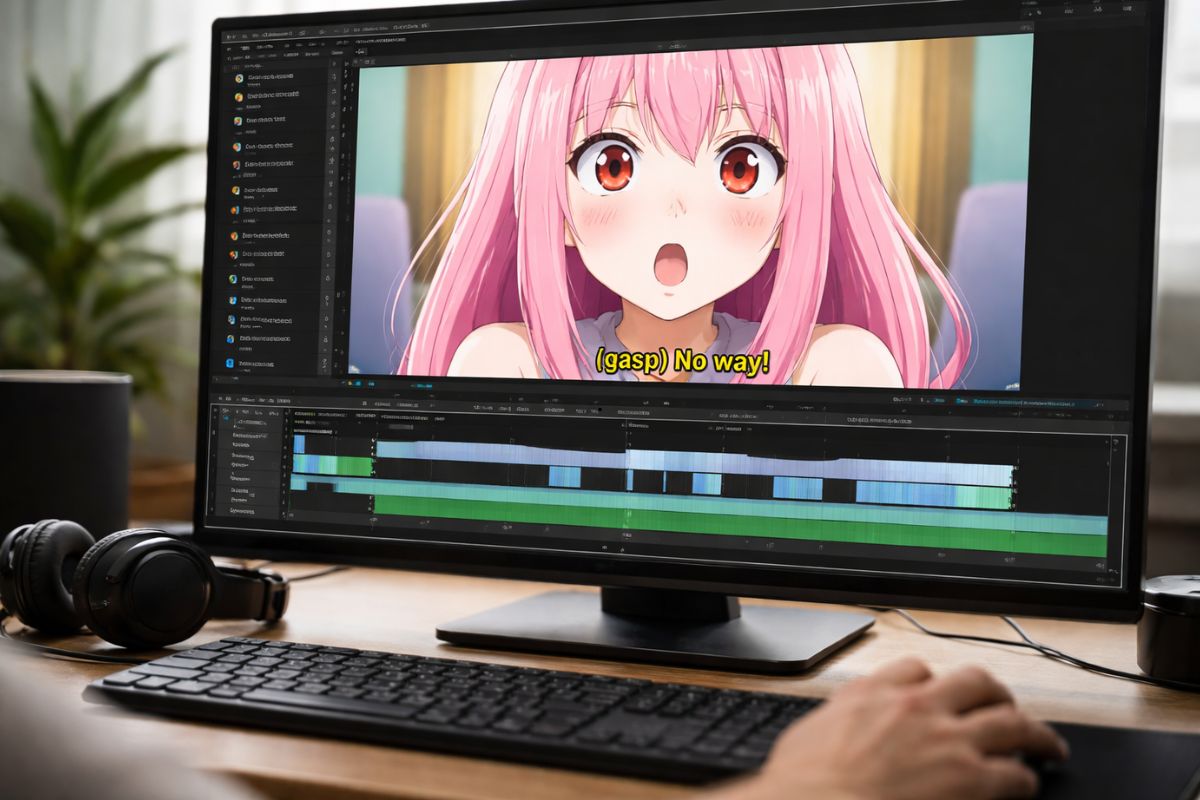
Anime reaction channels have become one of the most entertaining corners of the fandom. Viewers gather to watch creators laugh, gasp, pause, and debate dramatic moments from their favorite series. A shocking reveal in Attack on Titan or an emotional confession in Fruits Basket can trigger thousands of reactions across YouTube within hours. Yet many fans around the world struggle to fully enjoy these reactions because spoken commentary alone can be difficult to follow.
Adding captions transforms reaction videos into content that everyone can understand. International viewers benefit from readable dialogue. Fans watching in noisy environments can still follow commentary. Even longtime subscribers appreciate subtitles when reactions become fast paced or excited. Many creators now use tools that help them generate subtitles automatically, turning spoken reactions into readable text that appears directly on the screen.
Captions do more than improve accessibility. They also turn reaction videos into searchable content. Transcribed dialogue allows viewers to jump to memorable moments. Fans searching for specific scenes or character discussions can quickly locate them. For anime YouTubers hoping to grow their audience, captions quietly become one of the most powerful upgrades a channel can adopt.
Quick Takeaways for Anime Reaction Creators
- Captions make reaction videos accessible to global anime audiences.
- Subtitles help viewers follow fast reactions and emotional commentary.
- Searchable transcripts improve video discoverability.
- Caption tools reduce editing time and simplify production.
- Readable dialogue helps transform reactions into written anime discussions.
Why Captions Matter for Anime Reaction Content
Anime fandom stretches across continents. A creator reacting to a new Demon Slayer episode might receive comments from Brazil, Germany, the Philippines, or Spain within minutes of posting the video. Not every viewer speaks English fluently, yet many still enjoy watching reactions to their favorite shows. Captions help bridge this language gap by giving viewers a visual reference for every word spoken.
This advantage becomes especially noticeable in emotional scenes. Reaction videos often involve sudden laughter, overlapping commentary, or fast analysis of plot twists. Without subtitles, parts of the reaction may become difficult to follow. Clear captions ensure viewers catch every joke, theory, and shocked reaction. The difference in viewer retention can be significant when subtitles guide the audience through the entire experience.
Captions also strengthen long term engagement with anime culture. Some fans enjoy pausing videos to quote funny reactions or share screenshots with friends. Subtitles make these moments easy to capture. Fans who rewatch a reaction months later can still understand every comment without replaying segments repeatedly.
How Captioning Fits Into Anime Commentary Culture
Anime reaction videos are rarely simple watch parties. Many creators analyze storytelling techniques, animation quality, and character development during the episode. A reaction channel might pause during a fight scene to explain choreography or discuss references hidden in the animation. Subtitles preserve these insights and make them easier for viewers to revisit.
Channels that review anime often combine reactions with deeper commentary. A creator discussing shonen storytelling might reference how tournament arcs shape narratives, a topic explored in discussions about tournament arcs in shonen anime. Captions ensure those analytical segments remain clear and readable, helping viewers absorb the full explanation rather than missing details during fast speech.
Subtitles also allow creators to emphasize tone. Emotional reactions can be expressed through punctuation, formatting, or timing within captions. A shocked whisper or sudden shout becomes part of the viewing experience. In many cases, captions turn reactions into a hybrid form of commentary and storytelling.
Practical Steps to Add Captions to Reaction Videos
Adding captions once required hours of manual typing. Editors had to replay recordings repeatedly while transcribing each sentence. Modern subtitle tools have simplified the process dramatically. Anime YouTubers can now generate accurate transcripts within minutes and refine them during editing.
The workflow is straightforward for most creators. A typical captioning process follows several clear steps that integrate easily into a video production routine.
-
- Record the reaction video while speaking clearly. This helps automated systems detect words accurately and reduces the amount of editing required later.
-
- Upload the video or audio file to a subtitle generation tool. The system analyzes speech and converts it into readable text aligned with timestamps.
-
- Review the transcript and correct anime specific terms such as character names or Japanese terminology that automated tools may misinterpret.
-
- Export the subtitles in formats such as SRT or VTT. These files sync text with video playback on YouTube or editing software.
- Import the subtitle file into your editing timeline and adjust timing if necessary. Once uploaded, captions appear automatically during playback.
How Captions Improve Viewer Engagement
Captioned videos often perform better because they encourage longer viewing sessions. Many viewers watch YouTube content while commuting, studying, or browsing in quiet environments. In these situations audio may be muted. Subtitles allow audiences to keep watching even without sound.
Anime reactions benefit especially from this viewing habit. Fans scrolling through YouTube Shorts or recommendation feeds might encounter a captioned reaction moment and immediately understand what the creator is reacting to. Text on screen captures attention instantly, encouraging viewers to stay for the full video.
Captions also improve comprehension during complex scenes. Series like Neon Genesis Evangelion or Tokyo Revengers include intense dialogue and layered storytelling. Reaction videos discussing these moments can become dense with commentary. Subtitles help viewers follow every explanation and theory presented by the creator.
Anime Moments That Benefit the Most From Subtitles
Certain types of anime scenes create especially memorable reaction content. These moments often involve quick emotional responses, fast dialogue, or surprising twists. Captions make these reactions easier to understand and share across the fandom.
- Major plot twists that trigger shocked reactions
- Emotional character confessions or tragic scenes
- High energy fight sequences that provoke commentary
- Humorous anime moments that rely on timing
- Detailed analysis segments discussing themes or symbolism
Turning Captioned Reactions Into Written Anime Commentary
Captions do more than help viewers understand reactions. They also create a written record of the discussion happening during the video. Once the dialogue exists as text, creators can repurpose it in several ways. Blog posts, social media captions, and community discussions often grow directly from these transcripts.
Many anime channels combine video reactions with written analysis on their websites. A transcript from a reaction to Demon Slayer might later become a short editorial discussing animation techniques or storytelling themes. Conversations about character psychology often expand into deeper pieces such as discussions on anime and mental health themes, turning spontaneous reactions into structured commentary.
This workflow strengthens the connection between video content and written anime journalism. Reaction videos capture genuine emotional responses. Transcripts transform those reactions into readable material that fans can revisit long after the episode airs.
Caption File Formats and How They Work
Subtitles rely on simple text files that synchronize dialogue with specific moments in a video. These files contain timestamps that tell the player when each caption should appear and disappear. Understanding these formats helps creators manage captions more effectively during editing.
| Format | Purpose | Common Use |
|---|---|---|
| SRT | Standard subtitle format with timestamps | Widely supported by YouTube and editing software |
| VTT | Web based subtitle format for HTML5 players | Common for embedded video players |
| TXT | Plain transcript without timestamps | Useful for blogs or written summaries |
The Technology Behind Modern Subtitles
Caption tools rely on advanced voice recognition systems. These systems analyze speech patterns, convert audio signals into text, and align each phrase with its corresponding timestamp. The technical foundations behind this process are described in the speech-to-text technology overview, which explains how modern systems interpret spoken language and convert it into structured written text.
Anime reaction creators benefit from these systems because they drastically reduce editing time. A reaction video that once required hours of transcription can now be processed automatically. Editors only need to review the results and correct specialized terminology such as Japanese names or anime specific vocabulary.
As voice recognition continues to improve, subtitles will likely become a standard feature across anime commentary channels. Faster processing and higher accuracy mean creators can focus on producing entertaining reactions instead of typing transcripts manually.
Creating Reaction Videos That Global Fans Can Enjoy
Anime fandom thrives on shared experiences. Fans enjoy seeing how others react to dramatic scenes, unexpected plot twists, and emotional character moments. Captions make those reactions accessible to viewers everywhere, regardless of language or listening conditions.
For YouTubers building a reaction channel, subtitles quietly strengthen the connection with viewers. Fans who can read every reaction feel more involved in the conversation. They comment more often, share clips with friends, and return to watch future episodes together.
A simple caption track can turn a reaction video into a global conversation. Every laugh, gasp, and theory becomes visible on screen. For anime creators who want their content to reach the widest audience possible, subtitles transform reactions into something fans everywhere can follow and enjoy.
 Sophia Esparza
 peter
peter